
Date: 06/12/2019
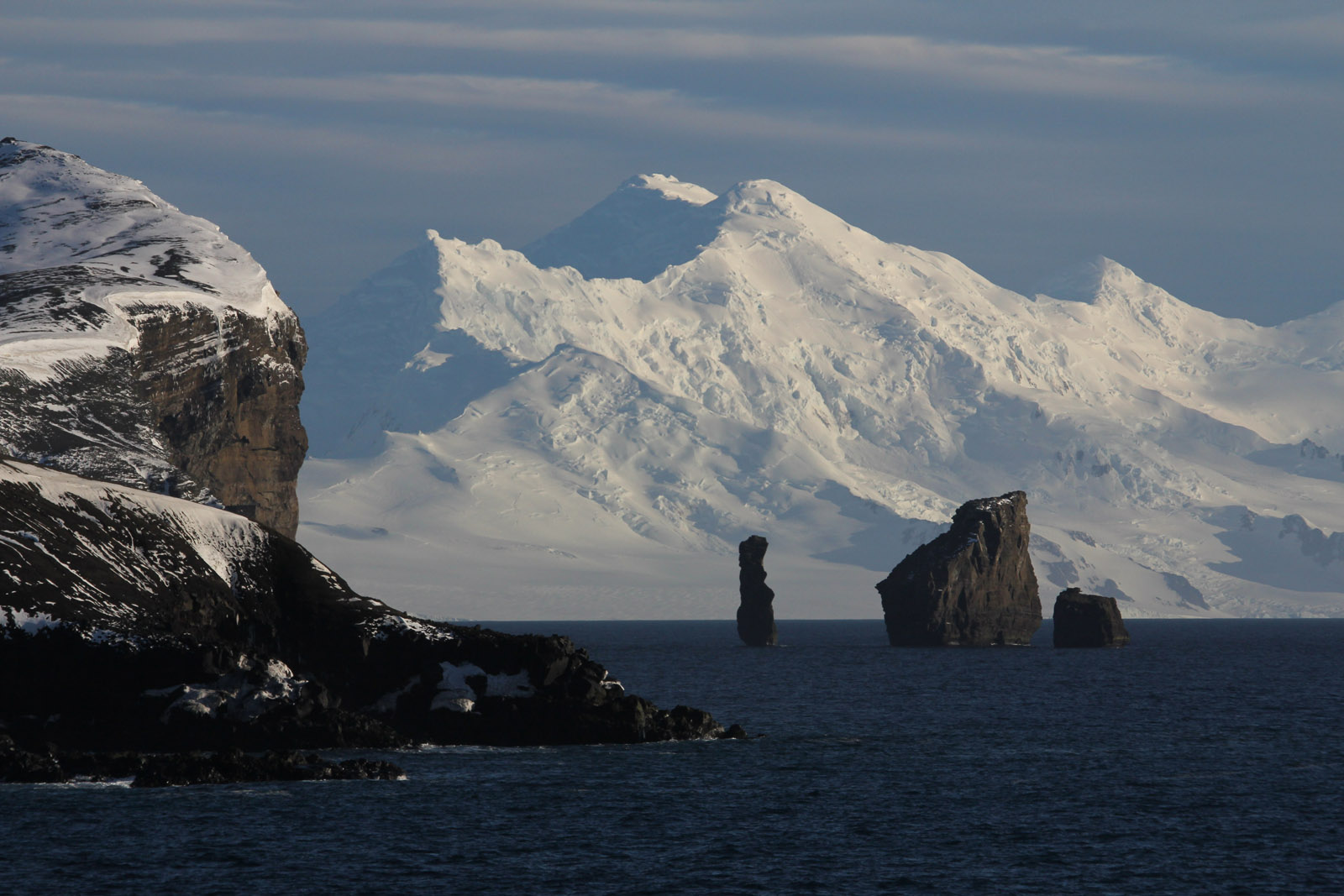
After leaving behind Half Moon Island… we head South with good weather. Our new destination is Deception Island. Even its name makes you wonder about it? Deception Island is an old volcanic crater. Outside and all around the island there is no obvious port or place to hide from the wild wind. Sailors thought that this was a very unwelcoming place to be with a boat and they didn’t realize that it was not a normal island. There is only one narrow entrance onto the island – Neptune’s Bellows. Subsequently the one and only whaling station on the Antarctic Peninsula was created here.
It fills you with sadness and awe to be here as a marine mammal biologist…or even better as a human… where you know that hundreds of whales were killed. At its peak, the bay would have had 13 whaling boats working at a time, each boat towing a dead whale. I hope I could have explored these seas and seen the Antarctic whale populations without the brutal history of whaling. Being a sailor or naturalist or a combination of these two would have been good enough – on a boat sailing with cotton sails.
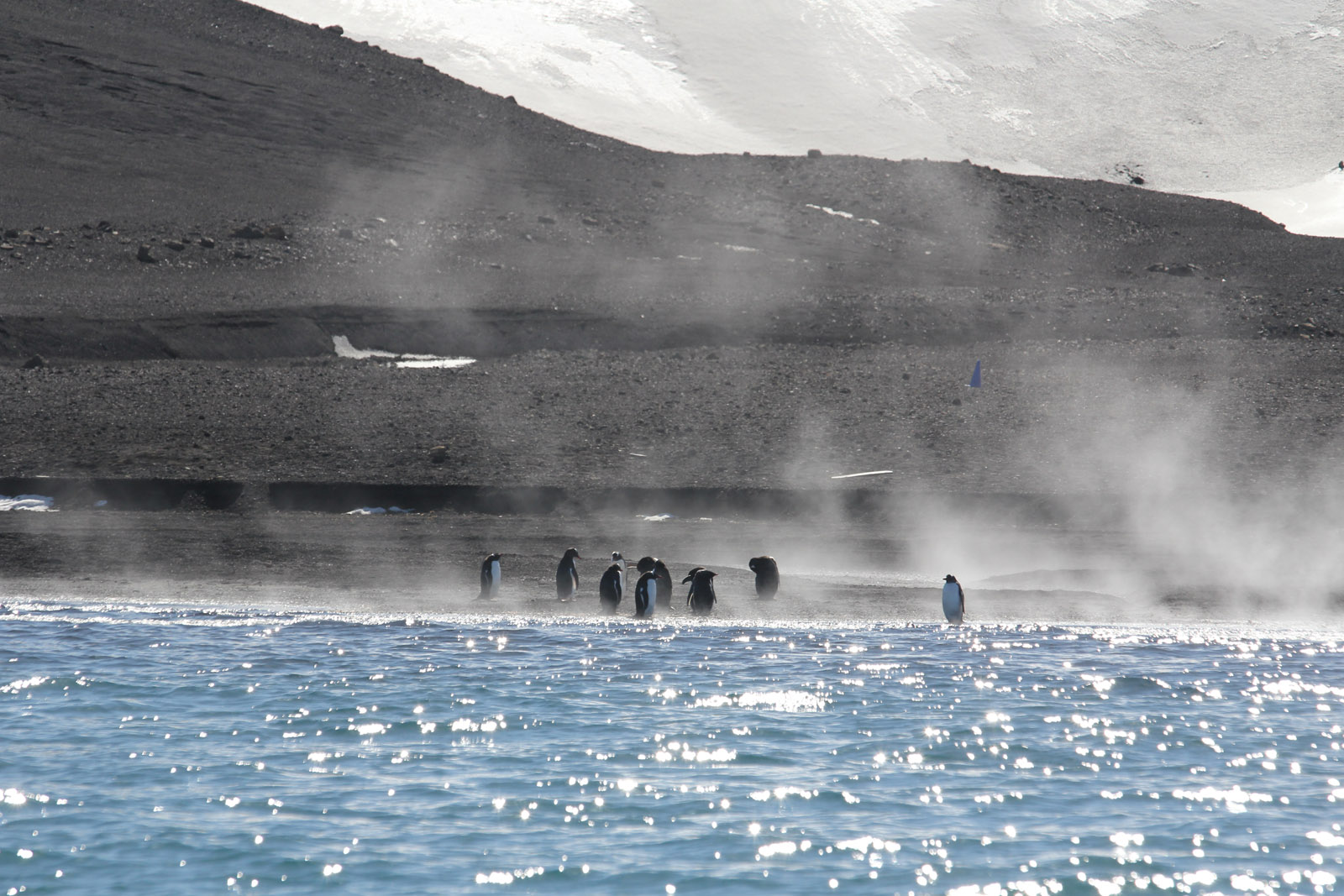
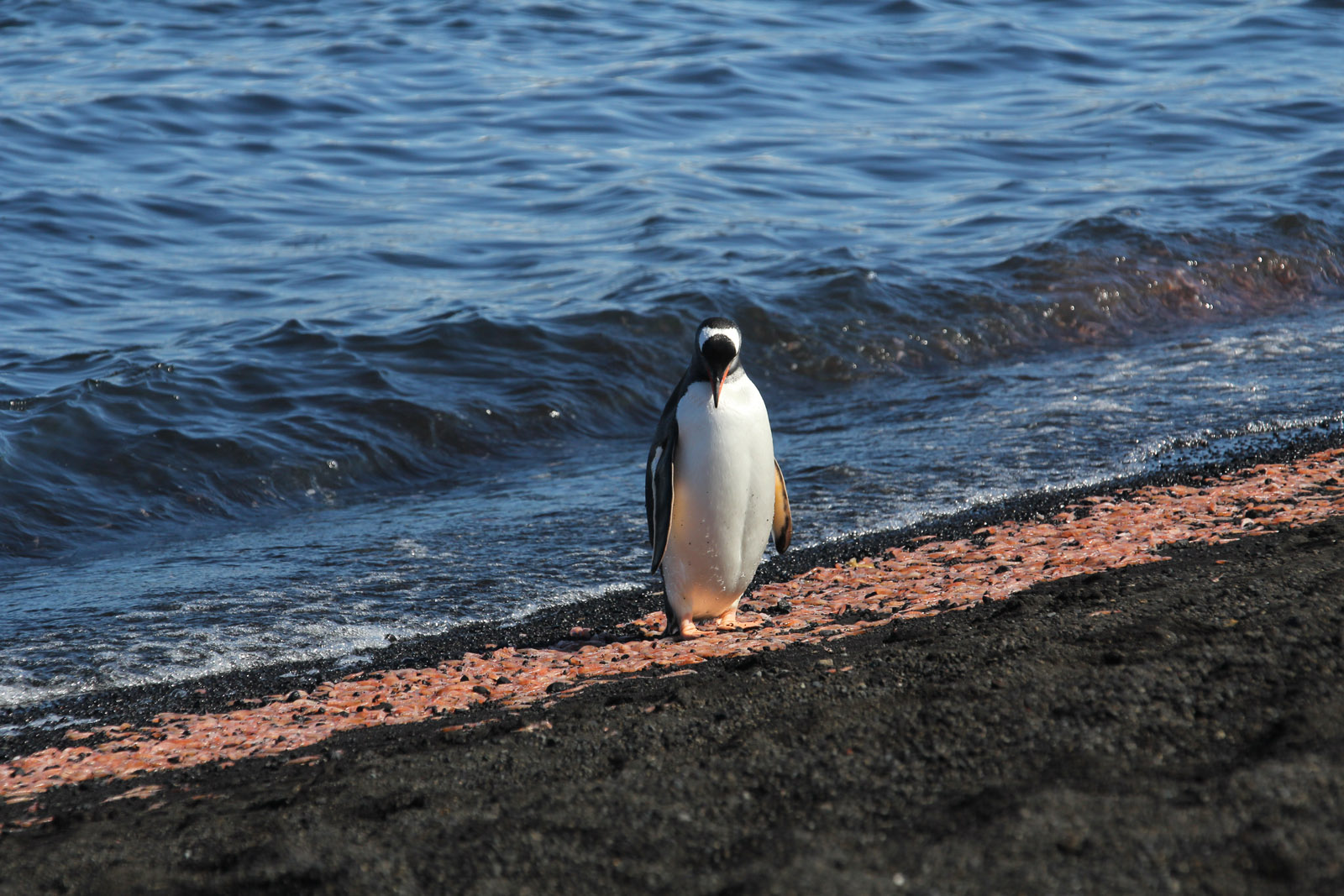
Our first sight of the island was a pink line along the shore… it was krill – which had died from the warmer waters caused by the volcanic activity of the islands. Gentoo penguins shuffled around the dead krill, seeming too full to eat it – I wondered if they were hungry enough, would they go for it? Which makes you think, what temperatures killed those krill? How will krill stocks be affected with increasing ocean temperatures, change of ocean currents and changes in the chemical composition of the oceans? And how will this affect the animals so dependent on the krill?
 A walk around the island reveals the old rusty barrels of the whalers…. Some for boiling water, and others to store the fat extracted from the whales. This seems surreal… walking on history… being in the same place where an important event took place, weighs you down and fills you with awe. The fallen roofs represent the forgotten malicious activities towards other earthlings… but we should not forget. Similarly, different actions impacting all of Earth’s species are happening right now in all parts of the world… and the biggest of all – climate change. We have altered the climate so quickly that we are unable to adapt our habits and to take the necessary decisions to preserve our one and only home. Like the eruption of the volcano that destroys the area around it… so too our behaviours are destroying much of our home and, our inability to adapt to this state of emergency will mean we face the consequences – if only the consequences fell only on humans. Sadly, we take with us thousands of other species… on top of the thousands we have already lost.
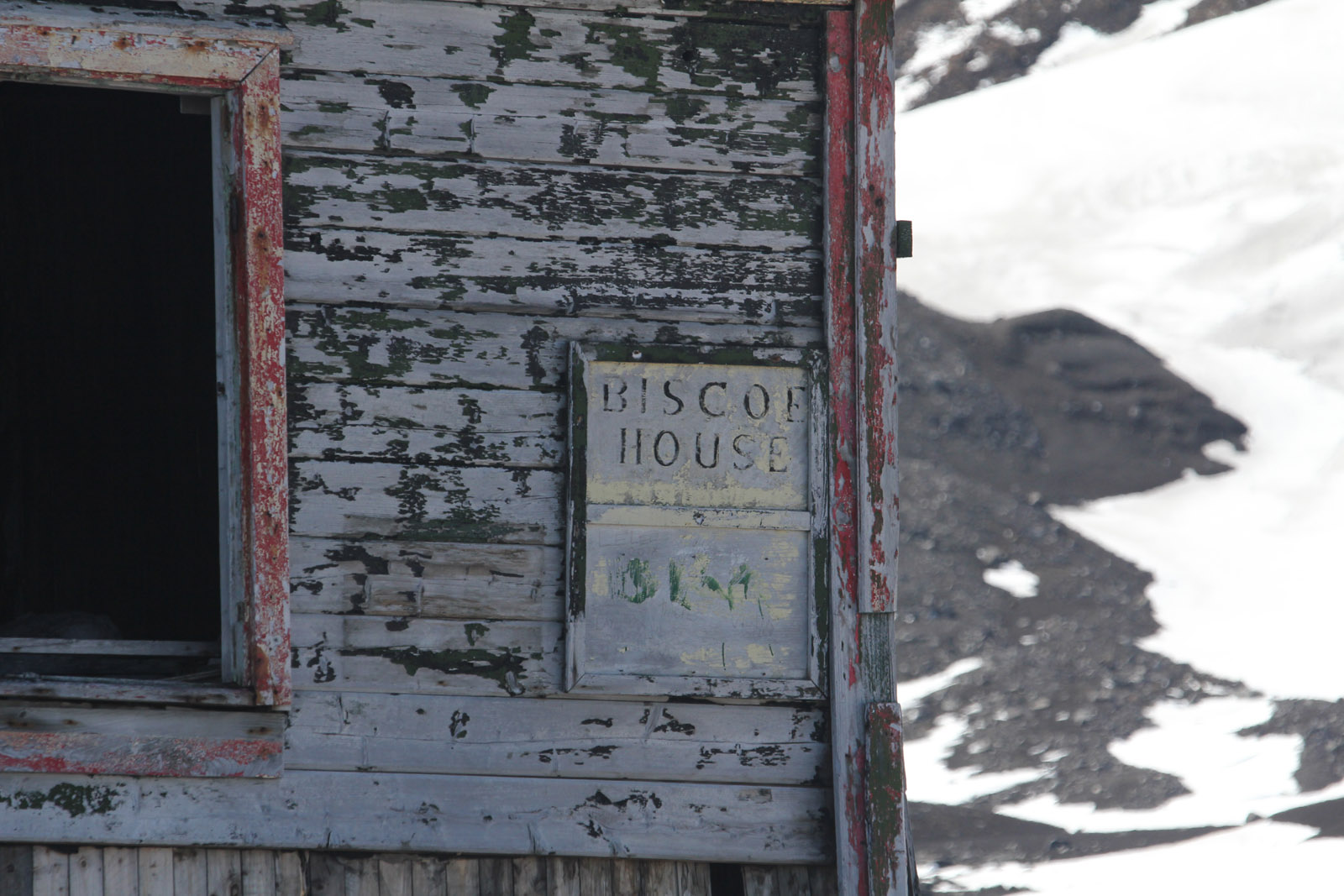
In a corner in front of the Bascoe House… I sit staring at the rusty oil barrels. Even if we were staying many more hours, I would still stay here looking at those barrels.
We start sailing slowly away from Deception Island and head South towards the Peninsula… as soon as we turn South we see the blows of the whales coming from all directions quicker, than we could enter the data into the computer – we had to have at least 3-4 sighting forms open at the same time – first trying to fill only the important data for distance sampling – such as angle and distance to the observed animal. It is important to take this information as soon as you make the observation – because this will define the detection function curve and the detection function will affect the probability to detect a species at a specific distance from the observation platform. If you fail to record this information first, your distances maybe recorded with some biases and probably the detection probability will be biased as well. Remember priorities on data collection – it will save you time dealing with a bad model afterwards! Mistakes made, lessons learned.
On the pauses between sightings, if I had the luxury to have other thoughts other than angles and distances – I was wondering if the whales were going to Deception Island to pay their respects to the dead whales of the past or were they here because they forgot the horrific story of what we did to them?
Regardless of my imagination, the whales were there for sure because there was food for them… krill. How much krill do whales eat? How many whales are there and how much krill does each one need? High resolution movement and acoustic tags have helped us to estimate how much krill a whale consumes in a day – more on this topic will follow on another entry here.
No more whaling in Antarctica and hopefully no shortage of krill for the whales. Let them do what some of them are doing… recover. Even though resources availability might not be in shortage at the moment for the baleen whales– other factors negatively impacting whales in the oceans are increasing, such as underwater noise due to shipping, marine debris and others. Last, the uncertainty of how krill will react in the increasing ocean temperature is something to be seen.
Written by Popi 06-12-2019